Why Isn’t My House Selling? What I Look at Before Recommending a Price Drop
When a home isn’t selling, one of the first recommendations sellers often hear is:
Drop the price.
Sometimes that’s exactly the right answer.
But sometimes I’ve watched homes reach a point where another $10,000 or $20,000 price reduction isn’t going to solve the actual problem.
Maybe it’s an awkward layout. Maybe the backyard backs to something buyers don’t love. Maybe there’s a smell you stopped noticing years ago. Maybe the paint or condition is making buyers see a project instead of a home.
And sometimes, there’s absolutely nothing wrong with the house.
It just hasn’t found the right buyer yet.
Before I recommend another price reduction, I want to understand one thing:
Why are buyers saying no?
Because if there’s an objection we can fix, I’d rather address it than simply keep taking money off the price.
First, Are Buyers Even Coming Through the Door?
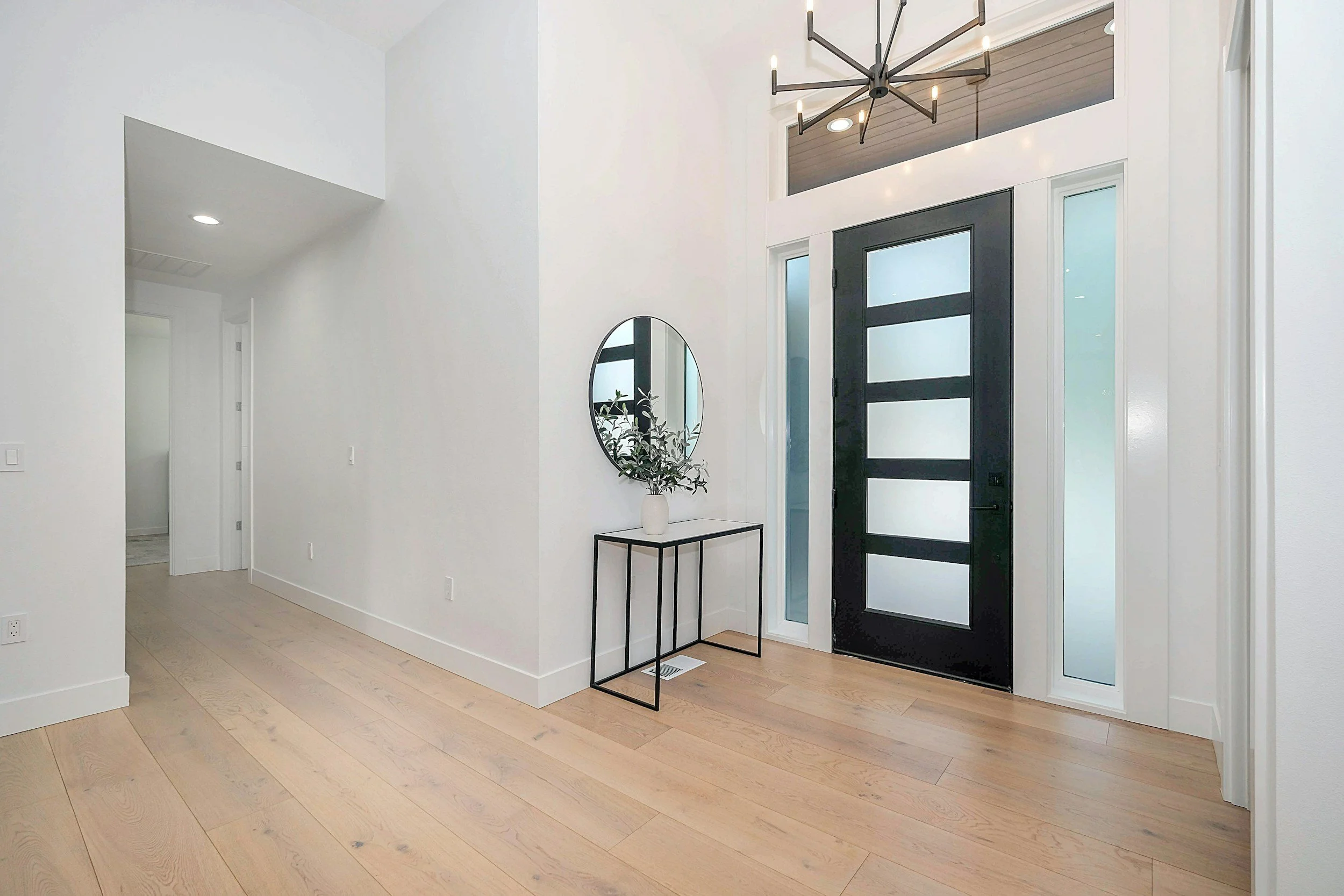
The number of showings tells us a lot.
If a home is getting very few showings, I’m going to look at the things buyers see before they ever step inside.
Is the price competitive with what else is available? Do the listing photos make people want to see more? Does the description tell the right story? Is the home easy to show? What does the competition look like?
If buyers consistently see the listing online and decide not to schedule a showing, that’s information we need to pay attention to.
On the other hand, if we’re getting plenty of showings but no offers, I start looking somewhere else.
Those buyers liked something enough to get in their cars and come see the house.
So what changed once they walked through the door?
Sometimes the Problem Isn’t Price
This is where buyer feedback becomes incredibly valuable.
If one buyer doesn’t like your paint color, I’m not terribly concerned.
If eight buyers mention the paint?
Now we have information.
The same goes for odors, condition, noise, layout and other objections.
Some of the things I’ve seen stop buyers in their tracks include:
Pet odors. If you live with pets, you may genuinely not smell what a buyer notices the second the front door opens.
Smoke. Smoke odors can be an immediate deal breaker for some buyers, and simply masking the smell usually isn’t enough.
Paint. Paint is relatively easy to change, but buyers don’t always think rationally about it. Strong colors, poor paint jobs or heavily marked walls can make a house feel like more work than it really is.
An awkward layout. Sometimes furniture placement makes a strange floor plan feel even stranger. Other times, the layout itself simply won’t work for certain buyers.
What the home backs to. A busy road, commercial property, power lines or another feature outside the property can narrow the buyer pool.
Highway or road noise. You may have stopped noticing it years ago. A buyer walking into the backyard for the first time hasn’t.
The pool. One buyer sees a pool and imagines summer afternoons with a margarita. Another sees maintenance and expense. An older pool with cracking or deteriorating concrete and obvious deferred maintenance can also make buyers start mentally calculating repair bills before they’ve finished the showing.
The HOA—or the lack of one. Some buyers absolutely do not want an HOA. Others specifically want the protections and consistency an HOA can provide.
Not every one of these things means there is something “wrong” with your home.
They simply affect who your buyer is.
Some Problems We Can Fix. Some We Have to Price For.
This distinction matters.
We can deal with odors.
We can paint.
We can declutter, rearrange furniture, improve landscaping, repair deferred maintenance, change the staging and improve the photography.
An awkward room can sometimes make much more sense once it’s staged with a clear purpose.
An older pool can be evaluated and, when it makes financial sense, repaired so buyers have real information instead of imagining the worst.
Those are things we can work on.
Other things aren't going anywhere.
We can't move the highway.
We can't change what the house backs to.
We can't magically redesign an entire floor plan.
And we generally can't change whether the neighborhood has an HOA.
When the objection is something permanent about the property, it may ultimately affect what a buyer is willing to pay.
But that’s different from blindly reducing the price every few weeks and hoping something happens.
I want to know what problem we're trying to solve.
What If the Problem Is Fixable, but You Don’t Want to Spend the Money Up Front?
This comes up more often than you might think.
Maybe we know fresh paint would make a significant difference. Maybe the landscaping needs attention, the floors are turning buyers off or the pool needs work.
The seller may agree—but that doesn’t mean they want to spend thousands of dollars getting the house ready before they sell it.
As a Compass agent, I can offer eligible sellers access to Compass Concierge, a program designed to help cover certain home-preparation expenses up front, with repayment later according to the program terms.
Eligible services can include projects such as painting, flooring, landscaping, deep cleaning, staging, roofing, HVAC, plumbing, kitchen and bathroom improvements and pool services.
That gives us another option.
Instead of automatically saying, “Buyers don't like the floors, so let's take another $15,000 off the price,” we can look at what it would cost to address the actual objection and decide whether doing so makes financial sense.
Sometimes it will.
Sometimes it absolutely won't.
The important part is doing the math before making the decision.
Not Every Buyer Is Your Buyer
This is one of the hardest things about selling a house.
A feature one buyer hates may be exactly what another buyer wants.
One person sees five acres and thinks, Absolutely not. Who is going to mow all of that?
Someone else has been searching for five acres for six months.
One buyer wants a pool.
Another won't even look at houses with one.
One wants an HOA.
Another specifically searches for homes without one.
That's why one negative comment doesn't necessarily mean we need to change anything.
What matters is the pattern.
When the same objection starts appearing again and again, that's when I pay attention.
And Then There’s the Market
Sometimes the house isn't the problem at all.
The market around it has changed.
Interest rates affect what buyers can comfortably afford each month. Inventory gives buyers more—or fewer—choices. Economic uncertainty can make people hesitate. A competing house may hit the market next door at exactly the wrong time.
Those are things neither the seller nor the listing agent controls.
We have to respond to the market we're actually in, not the market we wish we were in—or the one your neighbor sold in two years ago.
Marketing Matters. But Marketing Can’t Manufacture a Buyer.
There is a lot a good listing agent can do.
We can put a home on property tours. We can hold open houses. We can market it on social media, send postcards, reach out to other agents, improve the photography, change the staging, rewrite the marketing and make sure buyers know the property exists.
All of that matters.
Marketing creates opportunities. It doesn't manufacture the right buyer.
Ultimately, selling a home still requires the right buyer at the right moment.
And sometimes that involves a little luck.
Or, depending on how you look at it, the universe working.
You can do everything right—price the home appropriately, prepare it well, market it, make showings easy—and still need the person whose needs, budget and timing line up with that particular house.
That's especially true when a property has something that makes it more specific.
A unique floor plan. A pool. Acreage. A particular location. An HOA—or no HOA.
Those things may narrow the buyer pool without making the house a bad house.
Sometimes we aren't looking for more buyers.
We're looking for the right one.
So When Do We Reduce the Price?

Sometimes price absolutely is the answer.
If comparable homes are selling and yours isn't getting showings, we need to look hard at where it's positioned.
If the market has moved since we listed, we need to respond.
And if a permanent feature of the property makes buyers consistently choose competing homes instead, price may need to compensate for that objection.
But I don't believe in reducing the price simply because another week has passed.
I want to look at the whole picture.
Are we getting showings? What are buyers saying? What are competing homes doing? Have new listings come on the market? Have similar homes gone under contract? Is there something about the presentation we can improve? Is there an objection we can fix?
Or is there something about the property that we simply need to account for?
Before we change the price, I want to understand why we're changing it.
Control What We Can Control
Selling a home can be frustrating, especially when you've cleaned the house for the tenth showing, packed up the dog, driven around for an hour and come home without an offer.
I get it.
But reacting out of frustration isn't a marketing strategy.
My job isn't to promise that I can control the market. I can't.
My job is to control everything we can control, listen to what buyers are telling us, watch what's happening around us and adjust intelligently.
Sometimes that means changing the presentation.
Sometimes it means fixing something.
Sometimes it means changing the price.
And sometimes we've done everything right and need to give the right buyer enough time to find us.
If your home has been sitting on the market in Dripping Springs or the surrounding Texas Hill Country and you're wondering what isn't working, I'm happy to take a fresh look.
Not every problem requires another price reduction.
First, let's figure out what problem we're actually trying to solve.
