How to Stage Your Home Yourself Without Spending a Fortune
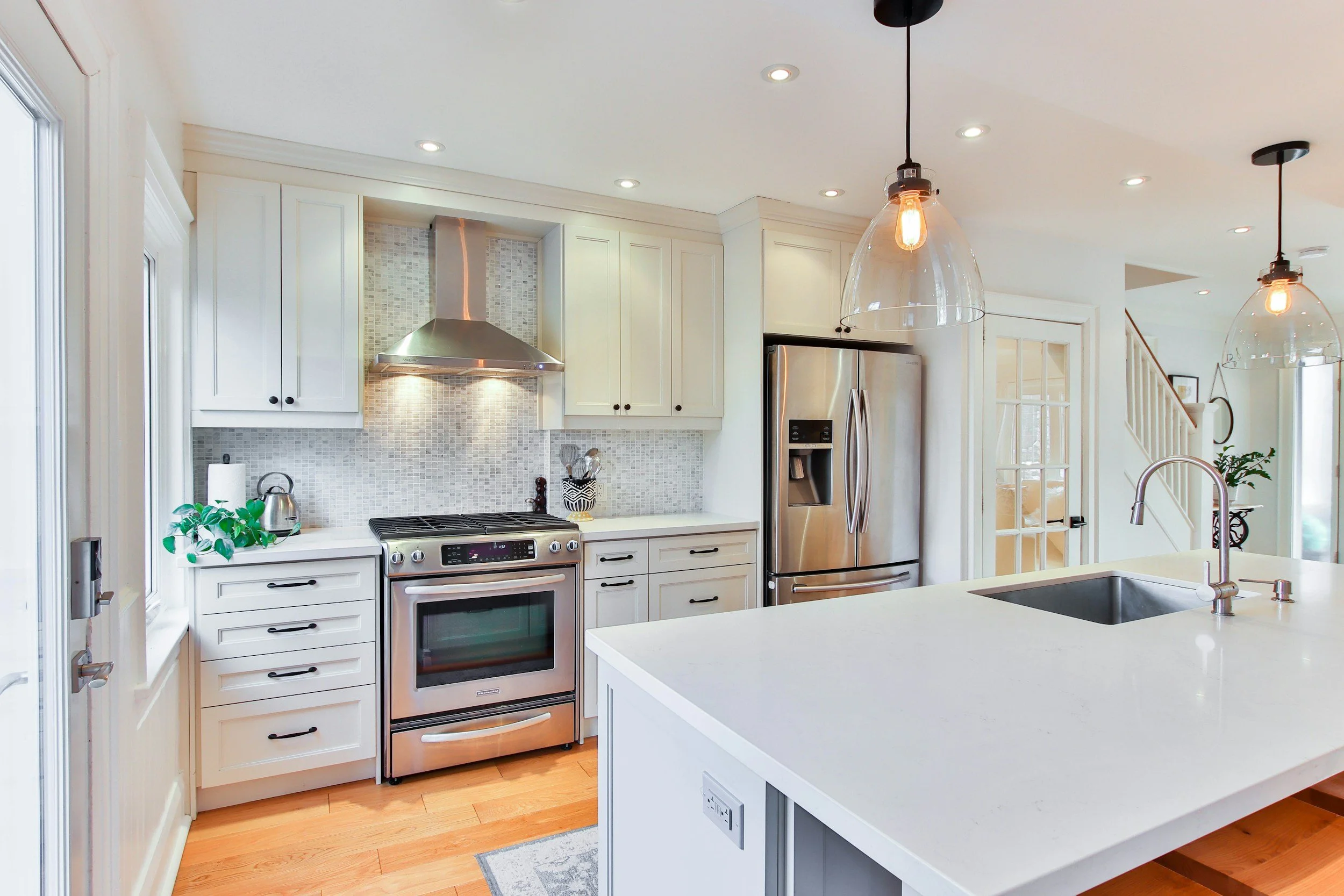
Selling a home looks a little different when houses aren't flying off the market in a weekend. Let’s face it, homes are often sitting longer these days.
When homes take longer to sell, traditional staging can get expensive. What sounds manageable for a few weeks can become a significant expense when you're paying furniture rental and staging fees month after month.
The good news? Not every home needs full professional staging.
Professional staging absolutely has its place, particularly for vacant homes or homes where the existing furniture doesn't work for the space. But many homes already have most of what we need. They just need some editing, rearranging and a fresh set of eyes.
That's where I spend a lot of time with my sellers.
Before the photographer ever walks through the door, I'm looking at furniture placement, what needs to be packed away, what we can use differently and where a few changes could make a room photograph—and show—much better.
And if you're willing to do some of the work yourself, you can accomplish a lot without spending a fortune.
Before You Spend Any Money, Start by Taking Things Away
One of the biggest mistakes homeowners make when they start thinking about staging?
They go shopping.
New pillows. New baskets. New artwork. More decor.
But most homes don't need more things. They need fewer things.
You've been living in your house, so a lot of what's there has become invisible to you. The extra chair in the corner doesn't seem like an extra chair anymore. The stack of mail doesn't register. The appliances on the kitchen counter have been sitting there for five years.
A buyer sees all of it.
Start with the big stuff. If a room feels tight, remove a piece of furniture. If you have six dining chairs but the room looks better with four, store two. Clear crowded surfaces and kitchen counters. Pack away some family photos, collections and decor.
You don't want your home to feel empty or sterile. You just want to give it breathing room.
And here's the bonus: you're moving anyway. Everything you pack now is something you won't have to pack later.
Give Every Room a Job
Buyers shouldn't have to stand in a room and wonder what they're supposed to do with it.
That spare bedroom that became the laundry-folding/Amazon-box/exercise-bike room? Pick a purpose.
An awkward nook might become a small reading area. A flex room could become an office. A bonus room might work better as a TV or game room.
You aren't trying to convince buyers that they have to use the room exactly the way you've staged it. You're helping them understand how the space can work.
Stage for the Camera
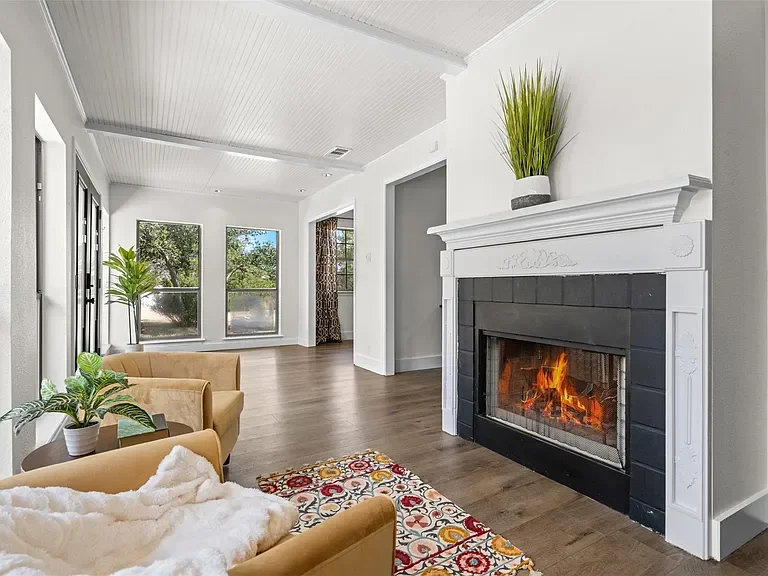
This is one of the most important parts of staging today.
For most buyers, their first showing doesn't happen at your house.
It happens on their phone.
Before listing photos, walk through your house and take pictures with your own phone. You aren't trying to take beautiful photographs. You're looking for distractions.
It's amazing what suddenly jumps out in a picture: a trash can, tangled cords, an oversized piece of furniture, five things sitting on a bathroom counter or something brightly colored that pulls your eye away from the best feature in the room.
Look at each photo and ask yourself:
What do I notice first?
If it's the fireplace, view, beautiful windows, kitchen or high ceilings—great.
If it's the dog crate, laundry basket or collection of refrigerator magnets, we have a little more work to do.
The Kitchen: Clear It, But Don't Sterilize It
You don't have to remove absolutely everything from your kitchen counters.
But you probably need to remove more than you think.
Put away appliances you don't use every day, paperwork, vitamins, dish racks, extra bottles and anything else that makes the counters feel crowded.
A coffee maker can stay. A pretty cutting board, bowl or plant can work. The idea is to leave enough to make the kitchen feel warm while allowing buyers to actually see the counter space.
And don't forget the refrigerator. It's amazing how much calmer a kitchen can look when the magnets, schedules, school papers and takeout menus come down.
Living Areas: Make Them Feel Bigger
Your living room needs to show buyers how comfortably they can live in the space.
That doesn't necessarily mean keeping every piece of furniture you currently use.
Removing one oversized chair or side table can completely change the way a room feels. Sometimes moving a sofa away from the wall improves the layout. Other times, replacing a large piece with something smaller allows buyers to see more of the room.
Pay attention to traffic flow, too. Buyers should be able to walk naturally through the room without weaving around furniture.
Then let the best feature lead the room. If you have a fireplace, view, great windows or beautiful built-ins, don't let the furniture compete with it.
Bathrooms: Make Them Feel Almost Like a Hotel
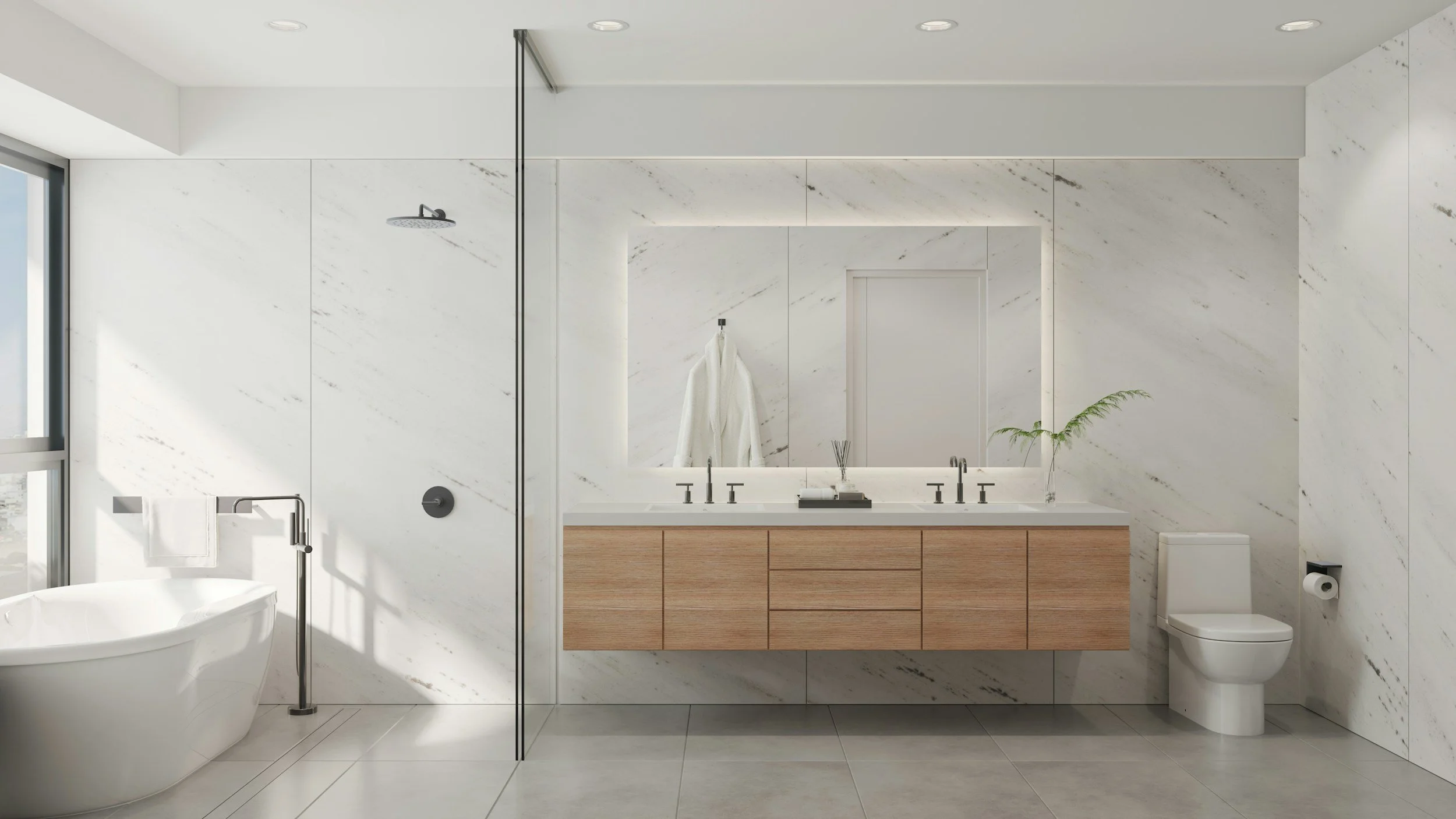
Bathrooms are one place where less really is more.
Clear the counters. Put away toothbrushes, medications, razors, hair products and the collection of bottles living in the shower.
Fresh towels, a nice soap dispenser, some greenery and a simple accessory or two are usually plenty.
You want the bathroom to feel clean, bright and easy—not like someone rushed out the door ten minutes before the showing.
Bedrooms Don't Need a Makeover
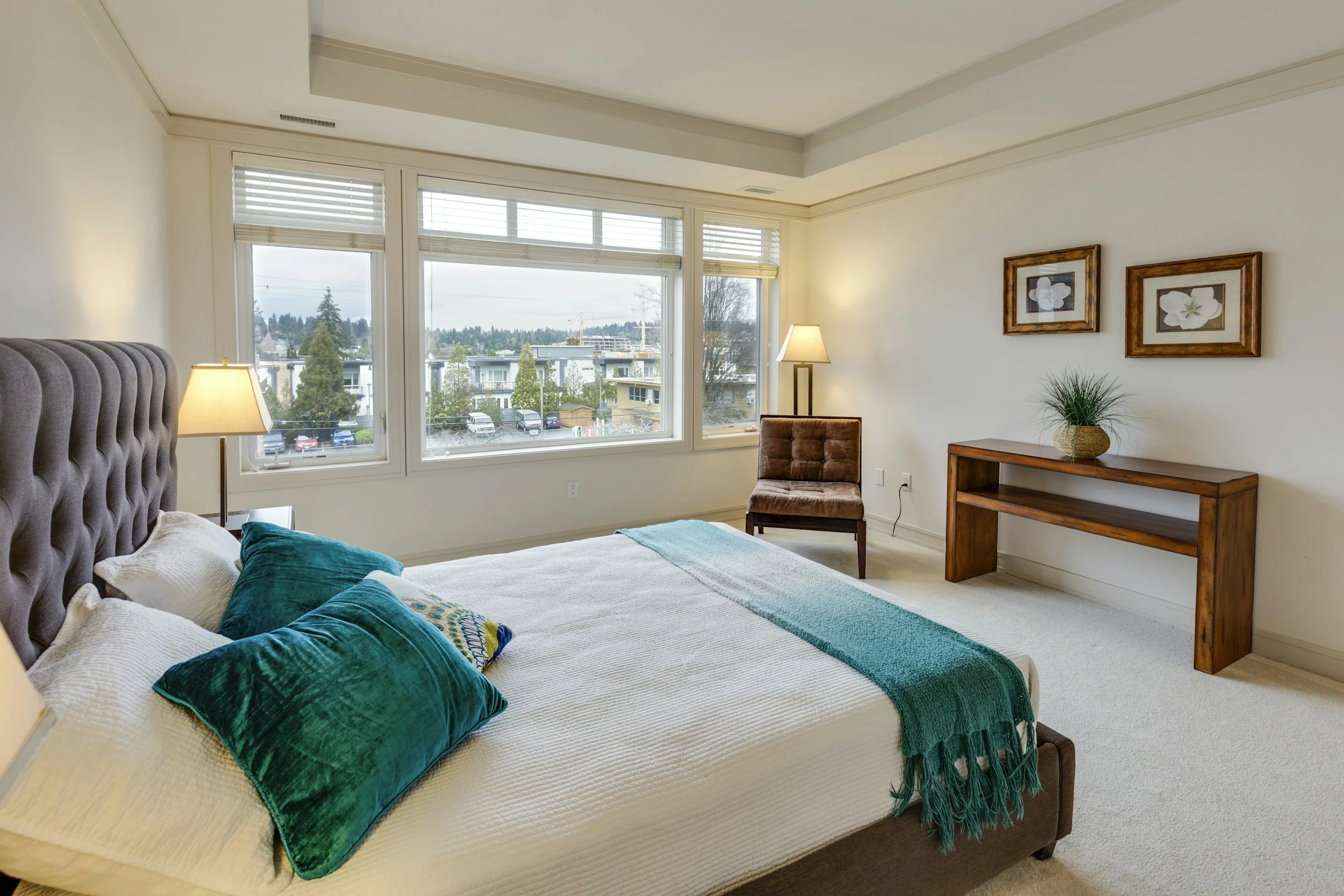
Bedrooms usually don't need a ton of decorating.
Make the bed the obvious focal point. Keep bedding simple, clear off the nightstands and remove excess furniture if the room feels crowded.
And don't feel like you need to go buy an entirely new bedroom set just to sell your house.
Often, editing what you already have makes a much bigger difference.
Don't Forget What Buyers See Before They Walk Inside
Staging starts before the front door.
Pull weeds. Trim overgrown plants. Put away hoses, toys and tools. Sweep the porch. Clean the front door and replace a worn-out doormat.
If you have a porch or patio, a couple of chairs or a simple outdoor seating area can help buyers imagine actually using the space.
That first impression happens fast. You want buyers feeling good about the house before they ever put the key in the door.
Complimentary Staging for My Listings
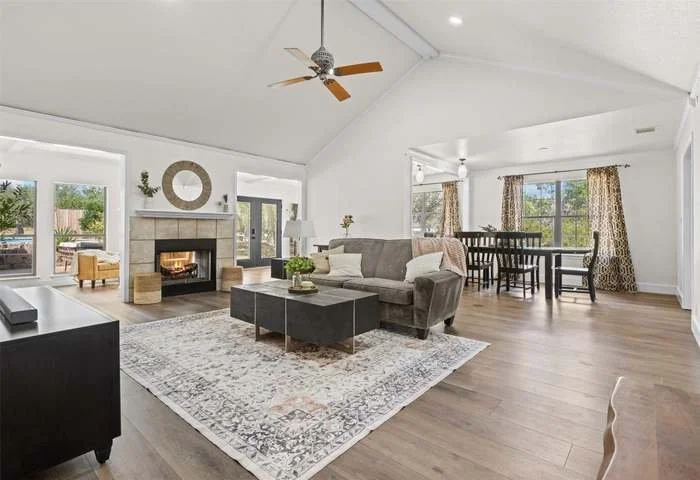
Here's something I offer my sellers that can make this process a whole lot easier: complimentary staging for my listings when appropriate.
I have my own staging inventory, including sofas, dining tables, bar stools, rugs, artwork, pillows, greenery and accessories.
I typically concentrate my staging on the kitchen, main living areas and bathrooms, where we can make a big impact both in listing photos and during showings.
Sometimes we'll use most of what you already own and I'll bring in a few things to finish the space. Other times, we'll remove furniture and replace it with pieces that work better for the room.
I'm also going to tell you what isn't worth spending money on.
That's especially important in a market where homes can take longer to sell. Traditional staging and furniture rental costs can add up month after month. I'd rather look at your individual house and decide where staging will actually make a difference instead of automatically telling you to spend thousands of dollars furnishing every room.
Do the 10-Minute Test
Here's one last thing you can do before putting your home on the market.
Walk outside.
Come back through your front door and pretend you've never seen your house before.
In each room, ask yourself:
What's the first thing my eye goes to?
Then ask:
Is that what I want a buyer to notice?
You want them noticing the natural light, fireplace, high ceilings, beautiful kitchen, backyard or view—not the giant dog crate or pile of mail.
That's really what good staging comes down to.
The goal isn't to decorate your house. It's to market it.
If you're thinking about selling a home in Dripping Springs or the surrounding Texas Hill Country, don't feel like you need to start buying furniture, repainting every room or hiring a staging company before you call me.
Let's walk through the house first.
I'll help you figure out what to keep, what to pack, what to rearrange, where staging could help—and, just as importantly, where you don't need to spend the money.
Thinking about selling your Dripping Springs or Texas Hill Country home? Contact me and let's walk through it before you spend money getting it ready.
